Lacock and Castle Combe from Bath
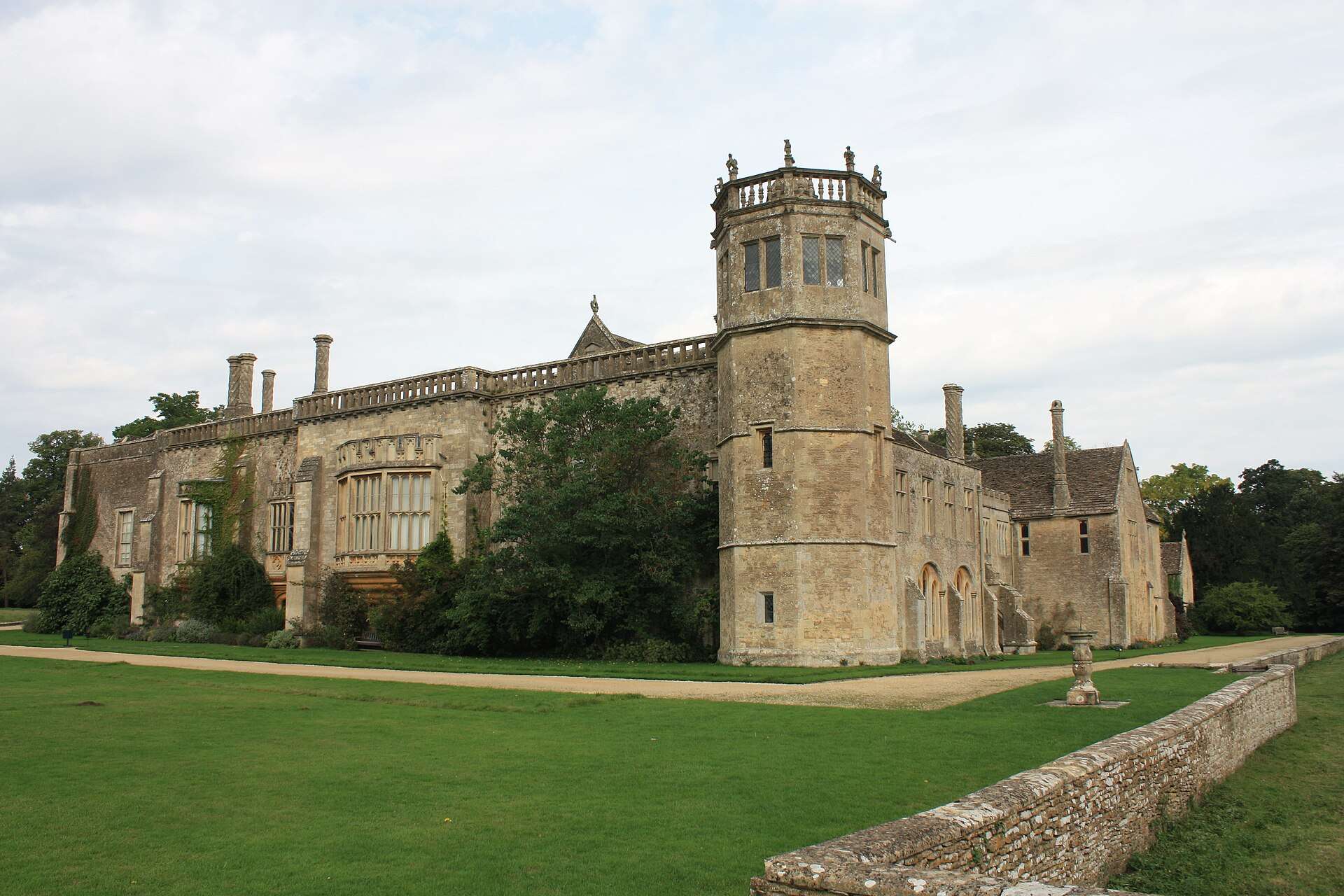
Half an hour east, the National Trust holds a village whole — and its abbey is where photography began, the 1835 negative’s own window still in the wall. Castle Combe completes the pair: one street, a market cross, no through traffic.
The short version
- The access honesty per the alarm: both villages sit off the rail map, the bus connections exist and consume the day, and the half-hour drive or an organized tour from Bath is the practical answer — with the Trust’s signed car park at Lacock as the parking law.
- Lacock is the rarity: essentially the entire village — streets of 13th-to-18th-century houses, the tithe barn, the inns — passed to the National Trust in 1944 and is preserved whole, lived-in, and wire-free enough that film crews treat it as a standing set (nationaltrust.org.uk).
- The photography claim per the alarm is precise and thrilling: in August 1835 William Henry Fox Talbot, Lacock Abbey’s owner, made a paper negative of the abbey’s oriel window — the earliest surviving photographic negative — and the window itself still sits in the South Gallery wall for the compare-in-person moment; the Fox Talbot Museum at the gates tells the invention’s full story.
- The abbey’s layers run deeper than the camera: a 13th-century nunnery’s cloisters and chapter house survive under the Tudor-and-Gothick country house Talbot’s family made of it — the cloisters doubling as Hogwarts corridors per the alarm’s you’ll-recognize-them clause.
- Castle Combe is the pair’s second movement: the single street descending from the market cross to the bybrook bridge — no through traffic, no new building on the street scene in a century — traded on as England’s prettiest village with the receipts to argue it (War Horse and a shelf of productions filmed on the street).
- The pairing logistics per the alarm: twenty minutes of lanes between the two, an unhurried afternoon covering both, tea or the pub in either (the Trust’s village tearooms at Lacock, the Castle Inn at Combe), and Wiltshire’s wider menu at visitwiltshire.co.uk for those extending.

Getting there
The drive-or-tour fork per the alarm is the whole plan — the villages are twenty minutes apart and thirty from Bath, the tours pair them as standard, and self-drivers gain golden-hour freedom at zero navigational cost. Lacock’s Trust car park (walk in from the edge; the village core is residents-only) and Castle Combe’s small lots above the village (the street itself is no-parking) are the two rules. The abbey grounds, cloisters, and museum run on the NT ticket with seasonal hours; the villages themselves cost nothing but restraint.
The day
Lacock first while the light is high: the village streets read as the standing set they are — the tithe barn, the bakery, the pottery, the inns’ sagging beams — then the abbey through its gates: the medieval cloisters walked slowly (film pilgrims will recognize the corridors; historians will prefer the chapter house), the country-house rooms above, and the South Gallery’s oriel window held against Talbot’s 1835 negative reproduced beside it — standing where photography’s first surviving image was made, comparing it to the thing itself. The Fox Talbot Museum settles the invention story. Tea in the village or straight on through the lanes to Castle Combe for the afternoon’s second register: park above, walk down past the market cross, take the street’s single perfect descent to the bridge, photograph back up it like everyone since photography (which, per Lacock, is a shorter span than it feels), and let the Castle Inn or the bybrook benches close the day. The return to Bath runs half an hour of hedgerows.
When to go
April through October runs full abbey hours, gardens, and the villages in leaf — June’s roses on golden stone the peak composition. Summer weekends bring the pilgrimage traffic (Potter, prettiest-village lists) to both; weekday mornings restore the spell the alarm’s no-through-traffic clause describes. Winter shortens abbey hours but hands the villages back to themselves — smoke from the chimneys, empty street, pub fires — and Lacock’s occasional Christmas dressing is the Trust at its most cinematic. Film crews close corners occasionally in every season; the villages post it and life proceeds.
Frequently Asked Questions
What exactly did Fox Talbot invent?
The negative-positive process — the foundation of photography as practiced for the next 150-plus years. His August 1835 paper negative of the abbey’s oriel window is the earliest surviving photographic negative; his later calotype patent and ‘The Pencil of Nature’ (the first photographically illustrated book) built the system. Daguerre’s rival process made single images; Talbot’s negatives made copies possible — which is why your camera descends from this house.
Can you really compare the window to the photograph?
Yes — the South Gallery’s oriel window stands as it stood, with the 1835 image displayed for the side-by-side. The negative itself (postage-stamp small) is preserved in national collections; the abbey shows the reproduction where it was made. It’s among travel’s best time-collapse moments and takes two unhurried minutes.
What was filmed where?
Lacock’s abbey cloisters served as Hogwarts corridors and classrooms in the early Harry Potter films; the village streets have carried Pride and Prejudice, Cranford, Downton Abbey and more. Castle Combe’s street played War Horse’s village and a century of postcard England. Both wear it lightly — the sets were already dressed.
Is Castle Combe worth it if I’ve seen Lacock?
As the pair, yes — they’re different instruments: Lacock is a whole working village with an abbey and a museum; Castle Combe is one perfect composition seen in twenty minutes and remembered longer. The alarm’s unhurried-afternoon shape exists because rushing either wastes the twenty-minute drive that links them.
Lacock or the Cotswolds proper?
The Cotswolds (documented on this network from London) for the full stone-village region with its pick-a-cluster rules; Lacock and Castle Combe for the concentrated pair at Bath distance — southern outliers of the same limestone story. From Bath, this pairing is the efficient version; travelers basing in the hills themselves take the bigger menu.