Bath Day Tours
I’m Serious Day Tour Man AI, your day trip expert. Ask me anything — where to go, how to get there, and what’s actually worth your day.
Bath sits at the center of England’s best stone-circle geography, and the sorting below covers the fact most visitors learn too late: the famous circle keeps you forty-five feet away on a roped path, while its bigger, older sibling twenty miles north lets you walk among the stones for free, with a pub inside the circle.
Add England’s smallest city with its swan-necked cathedral, the town that claims King Arthur’s grave and believes it, and Bristol fifteen minutes away pretending not to be a day trip at all. The city section covers the Roman Baths mechanics — including the one thing you cannot do in them — and the Austen question.
Here’s what’s worth a day, with real times and honest trade-offs.

Popular Day Trips
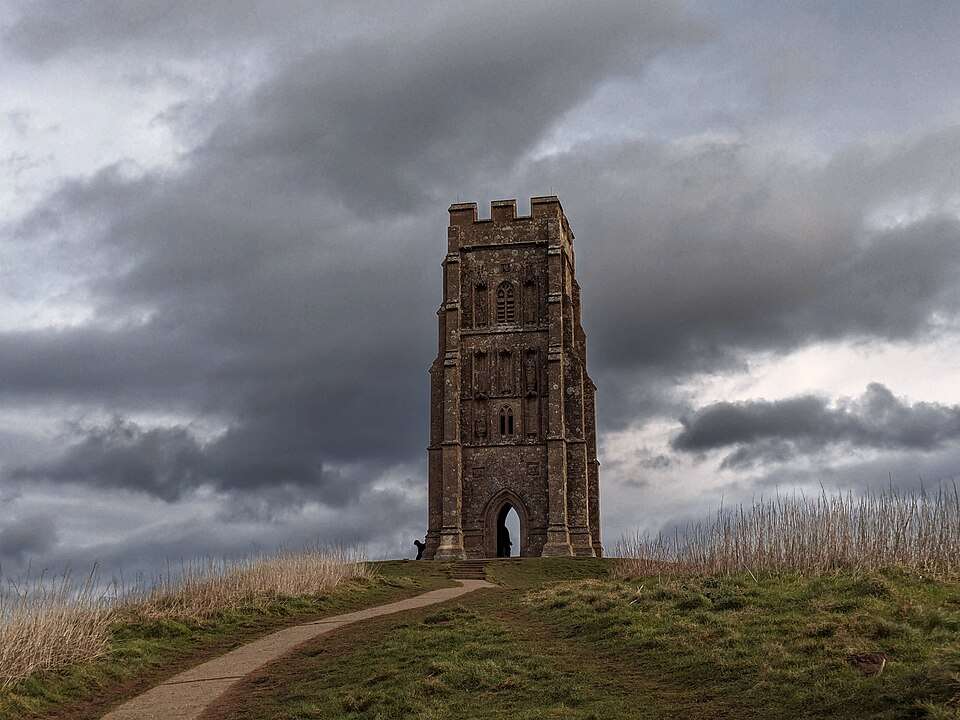
Wells & Glastonbury
The Smallest City, the Tor
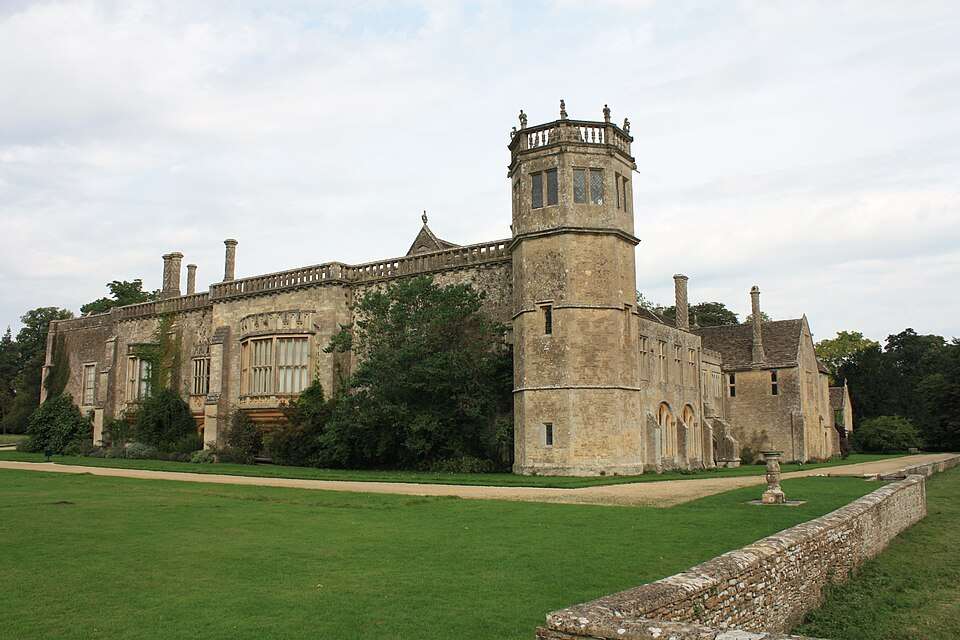
Lacock & Castle Combe
The Village the Trust Keeps Whole, the First Photograph
Stonehenge & Avebury — The Stone-Circle Sort
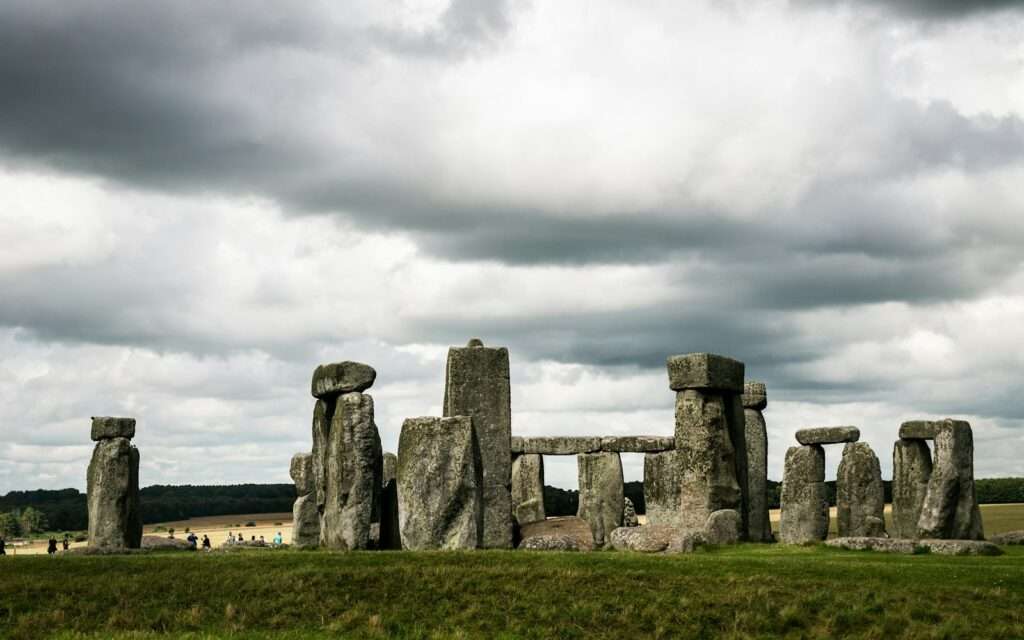
Two circles, one honest comparison. Stonehenge, an hour east, is the icon: 5,000 years old, engineered to the solstices, and managed accordingly — timed tickets booked ahead on the English Heritage site (advance booking runs cheaper than walk-up, and members still need a slot), a shuttle from the visitor center, and a roped path that holds everyone about forty-five feet from the stones. The exhibition is genuinely good, early and late slots beat the coach wave, and special-access inner-circle visits exist at dawn and dusk for the committed, booked far ahead. Taken on its terms, it delivers; taken expecting communion with the stones, it can’t.
Avebury, forty minutes northeast of Bath, is the communion: the largest stone circle in Britain — so large it contains part of a village, including the Red Lion pub — where you walk among the megaliths, touch them, and picnic beside them, free, with National Trust parking as the only cost. Silbury Hill (Europe’s largest prehistoric mound) and West Kennet Long Barrow, walkable inside, complete the complex.
The sort: Stonehenge for the icon and the exhibition, Avebury for the experience. The connoisseur’s day does both — they’re forty minutes apart — and ranks Avebury higher on the drive home, which is the tradition.
Wells & Glastonbury — The Cathedral and the Tor
Forty minutes southwest, the pairing runs sacred to strange. Wells is England’s smallest city, and its cathedral is the argument: the west front’s carved-figure gallery, the fourteenth-century scissor arches — the swan-neck crossing braces that solved a sinking tower and accidentally produced the building’s most photographed feature — and the medieval clock where jousting knights still circle on the quarter hour. Vicars’ Close behind it claims to be Europe’s oldest continuously inhabited street, and the Bishop’s Palace moat has swans trained to ring a bell for food, a fact that sounds invented and isn’t.
Glastonbury, fifteen minutes on, is the strange: the Tor’s terraced cone and roofless tower, a 30-to-40-minute climb for the Somerset Levels panorama; the Abbey ruins, where twelfth-century monks announced they’d found King Arthur’s grave (marked today, believed by temperament); the Chalice Well gardens’ red spring; and a high street where crystal shops outnumber grocers and everyone is entirely sincere. Take the town as it takes itself and the day works; smirk and it doesn’t.
The frame: cathedral morning, Tor afternoon — the climb wants the clearer light anyway — with the honest note that Glastonbury Festival (late June, at Pilton nearby) swallows the region’s roads and rooms for a week.
Read the full Wells and Glastonbury day-trip page.
Lacock & Castle Combe — The Village Pair
Thirty minutes east, the two most filmed villages in England make the gentle half-to-full day.
Lacock is the National Trust’s village — owned almost entirely by the Trust, stripped of visible modernity, and consequently on screen constantly (Pride and Prejudice, Downton, the wizarding franchise’s Godric’s Hollow scenes). The Abbey at its edge carries the real history: a medieval nunnery turned Tudor house whose cloisters film as well as they read, and where William Henry Fox Talbot made the world’s earliest surviving photographic negative — of his own oriel window, displayed in the Fox Talbot Museum at the gate. The village bakery and the Sign of the Angel run the tea-and-bun economy honestly.
Castle Combe, fifteen minutes north, is the postcard: one street of honey-stone cottages folding down to a brook and a bridge, routinely titled England’s prettiest village, and best absorbed in forty-five minutes of slow walking — there is no “doing” it beyond that, and the honest advice is early morning or late afternoon, when the light is better and the lane parking exists. The Cotswolds proper extend north from here for travelers converting this into a full wandering day.
Read the full Lacock & Castle Combe day-trip page.
Cheddar Gorge & the Mendips — The Dramatic Half Day
Forty minutes southwest, Cheddar Gorge is England’s largest gorge: 400-foot limestone cliffs pinching the road into a canyon, peregrines on the ledges, and feral goats doing the landscaping. The circuit sorts in two: the free version — driving the gorge road and walking the clifftop rim path, a three-mile loop with the best views in Somerset — and the ticketed version, the show caves: Gough’s Cave, where Britain’s oldest complete skeleton (Cheddar Man, 9,000 years old) was found, and Cox’s Cave’s chambered formations. Jacob’s Ladder’s 274 steps connect the two levels for the committed.
The cheese question, answered: cheddar the cheese was born here — the caves’ stable cool was the maturing house — and the Cheddar Gorge Cheese Company remains the only cheddar actually made in Cheddar, with cave-matured truckles sold at the source. The village’s lower gorge runs a cheerful strip of fudge and cream teas; the drama lives above it.
The stack: Wookey Hole’s rival caves ten minutes south run more theatrical and more child-tuned — pick one cave system per day — and the Mendip lanes reward drivers who like lanes. Half a day, pairs naturally with Wells.
Bristol — The Fifteen-Minute City
Fifteen minutes by train, Bristol is barely a day trip and fully a second city, and it sorts by register. The engineering register: Brunel’s SS Great Britain — the first great iron ocean liner, docked where she was built, with the glass “sea” you walk beneath to see her hull — is the region’s best single museum ticket, and the Clifton Suspension Bridge, Brunel again, spans its gorge for free, with the observatory camera obscura above.
The street-art register: Bristol is Banksy’s hometown, and the city treats the murals as civic property — self-guided trails cover the verified pieces (the Girl with the Pierced Eardrum in the harbor, Well Hung Lover on Park Street), and Upfest’s legacy covers North Street in fresh paint annually. The harbourside register: the floating harbor’s ferries, the M Shed’s free Bristol-history museum, Wapping Wharf’s container restaurants, and St Nicholas Market’s food stalls for lunch.
The balloon fiesta (August) fills the sky and the hotels — time it or dodge it — and Clifton village’s Georgian terraces answer anyone who thought Bath had the monopoly. Frame it plainly: Bristol is the grittier, younger sibling, and the pairing of the two cities is better than either alone.
The Baths, the Buns & Bath Itself
The Roman Baths first, with the mechanics: book ahead on the official site — advance tickets run cheaper than walk-up — take the included audio guide or add the daily guided tours at set times, and know the one absolute rule: you cannot touch or enter the water. The Great Bath’s steaming green pool is for looking; the bathing happens at Thermae Bath Spa around the corner, where the rooftop pool floats you over the city skyline in the same thermal water — the two-hour session at dusk is the city’s best ticket. The Pump Room next door serves the spa water by the glass (sulphurous, ceremonial, once is enough) under chandeliers.
The Georgian circuit: the Royal Crescent’s thirty-house arc (No. 1 is the furnished museum), the Circus, Pulteney Bridge with its shop-lined span and the weir below, and Bath Abbey’s fan vaulting and tower tours. The Austen question, sorted: Jane lived here five years and mostly disliked it — the Jane Austen Centre is cheerful fan service, the September festival fills the streets with bonnets deliberately, and the real Austen sites are simply the streets themselves, which is free.
The rest: the Sally Lunn bun in the 1482 house (half savory, half cream tea, entirely mandatory once), Bertinet or the Fine Cheese Co. for the picnic, and the skyline walk or Alexandra Park for the golden-hour view of the whole honey-stone bowl. Season math: May, June, and September are the windows; summer Saturdays crush the center by 11; December’s Christmas market fills the abbey yard beautifully and books the hotels solid; and the city is built on hills that the map politely understates — comfortable shoes are the equipment.
Frequently Asked Questions
Stonehenge or Avebury?
Both, ideally — forty minutes apart. Stonehenge for the icon and exhibition (timed tickets ahead, roped path at forty-five feet); Avebury to walk among bigger, older stones for free, pub inside the circle included.
Do you need to book the Roman Baths?
Yes — advance tickets on the official site run cheaper than walk-up and guarantee entry. Audio guide included, guided tours extra at set times, and no touching the water: bathing happens at Thermae Bath Spa instead.
Is Glastonbury worth the trip?
Yes, taken sincerely — the Tor’s 40-minute climb, the Abbey’s Arthur grave story, and a high street of complete conviction. Pair it with Wells’ scissor-arch cathedral, fifteen minutes away, for the region’s best contrast day.
Which is better — Lacock or Castle Combe?
Lacock has more to do (the Abbey, the Fox Talbot Museum, the film locations); Castle Combe is the purer postcard at forty-five minutes of slow walking. They’re fifteen minutes apart — do both, early or late for the light.
Is Bristol a day trip from Bath?
At fifteen minutes by train it’s barely a trip at all — Brunel’s SS Great Britain, the suspension bridge, the Banksy trail, and the harbourside. The grittier sibling, and the pairing beats either city alone.